Empowered Women Driving Community Resilience

By Nancy Nyalual, Communication Associate March 27, 2026

Limited access to markets, finance, and livelihood opportunities continues to constrain economic participation for many South Sudanese women. According to World Bank assessments, a majority of households rely on informal livelihoods, while insecurity, displacement, and weak infrastructure restrict market access and productive employment.

Women are disproportionately affected by these barriers, often facing limited financial inclusion and restricted economic decision-making power. Addressing these structural challenges is central to building resilient communities.

The South Sudan Women’s Social and Economic Empowerment Project (SSWSEEP) — a Government of South Sudan initiative led by the Ministry of Gender, Child and Social Welfare (MGSW) and implemented through UN Women with CARE International in South Sudan as an implementing partner is working to strengthen women’s economic resilience and community support systems in Wau, Western Bahr el Ghazal State.

Under Component 1, the project supports the construction of Women’s Economic Community Centers (WECCs), which serve as hubs for socio-economic services, training, and livelihood development. Within these centers, Village Savings and Loan Associations (VSLAs) are established and strengthened through training in savings and credit management, financial literacy, vocational skills, climate-smart agriculture, agro-processing, and textile production.
By equipping women with practical skills and financial tools, the project is expanding income opportunities, improving food security, and enhancing household resilience. A distinctive feature of the program is its inclusive community engagement approach. Men, adolescent boys, partners, and community leaders are actively involved through sensitization activities that highlight the value of women’s economic participation.

This approach helps reduce social barriers, strengthens community ownership, and promotes sustainable support for women-led initiatives. CARE South Sudan also provides starter kits and in-kind support to eligible participants, enabling them to launch or expand small businesses and agricultural ventures.

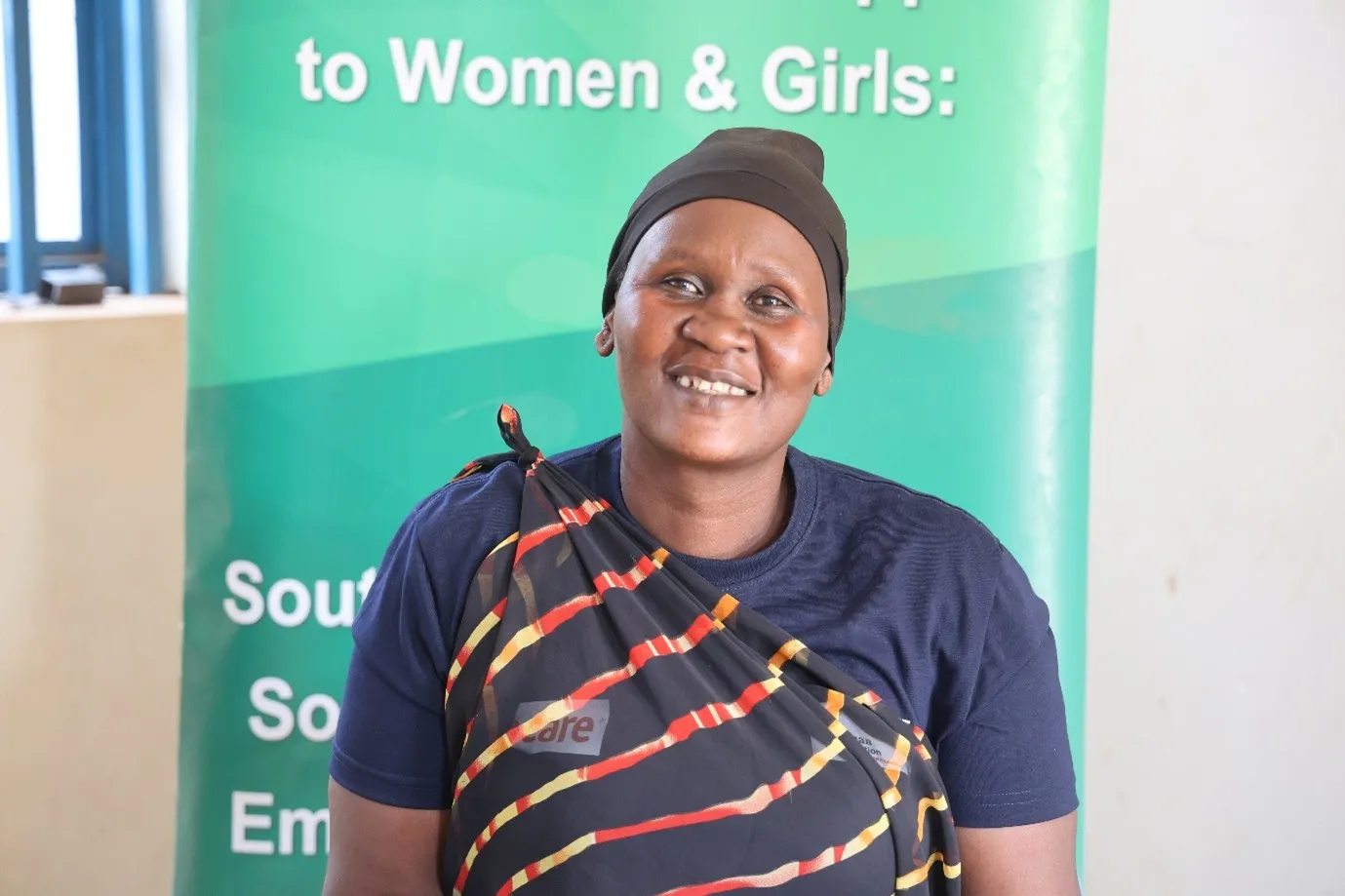
Across Wau, women’s groups are already reporting tangible improvements in income generation, savings behaviour, and community cooperation. Veronica Joseph, a 49-year-old mother, businesswoman, and president of the IVI Village Savings and Loans Association (VSLA) group in Mutamadia, Wau, Western Bahr el Ghazal State, shared how the VSLA has transformed her life.

After starting her second-hand clothing business with a loan from the group, she has been able to generate profit, feed her family, and strengthen her role as a leader in her community.

“This VSLA group has enabled me to support my family by paying school fees for my children and adding to my business to make some profit. I took a loan of 100,000 South Sudanese ponds and started by business with it and would pay in installments ever month and by the third month, I paid with an interest of 50,000 south Sudanese Pounds.

“I feel relieved because the IVI group serves as a rescue on hard days when food for my family is an issue or when I need to pay school fees, I can come to my savings group and request a loan instead of being stranded,” said Veronica.

Her experience reflects how access to small-scale finance can unlock economic participation where formal banking and credit systems remain limited.

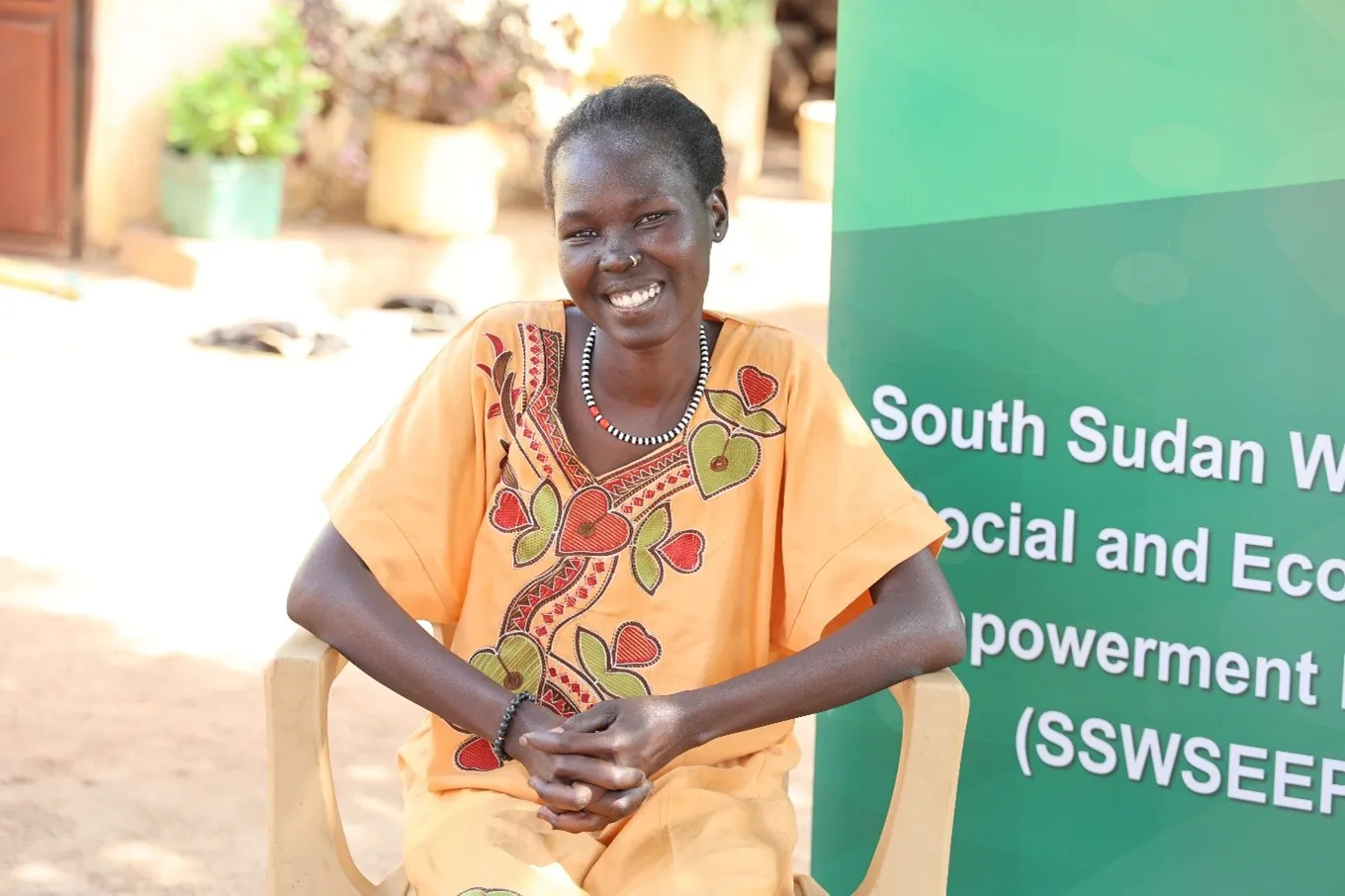
For Folomena Anthony, a passionate and innovative 20-year-old with brilliant skills in bakery, has become an inspiring example of how talent and determination can transform lives.

Through the support of the SSWSEEP, Folomena was able to harness her baking skills to generate income, she took a load of 50,000 south Sudanese pounds in order to boost her business and later paid back the 50,000 ponds in a period of three months which is the grace period granted by the (IVI) VSLA group she’s part of.

By producing and selling baked goods in her community, she not only showcased her creativity but also created a sustainable source of livelihood that empowers her as a young woman, “The income I earn from my baking business allows me to purchase my personal needs without relying on others.”

Folomena’s progress demonstrates how skills development combined with financial access strengthens independence and confidence among young women entering local markets.

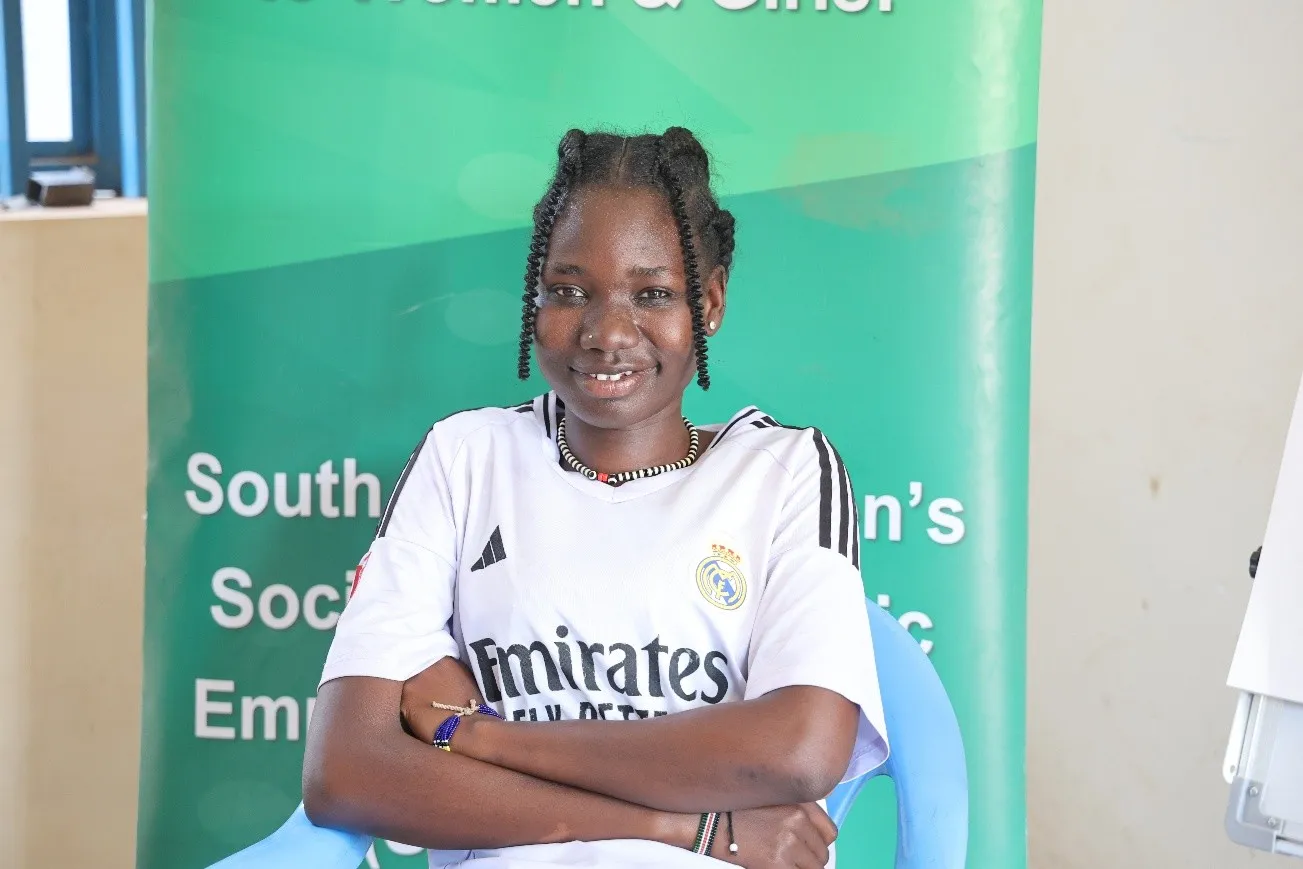
For younger participants, the program is also opening pathways to entrepreneurship. Julia John, an ambitious and determined 18-year-old, joined the Tic Atheikic group seeking guidance to start her own business. Through mentorship and financial literacy training, she developed practical skills and business confidence.

“I came up with the idea of selling knitted bedsheets at home because I got many compliments about it from people. To gain market for these bed sheets, I advertise them to my fellow members of Tic Athiekic, I do this only when an order is made.

“Each bedsheet is sold for 15,000 south Sudanese pounds gaining a profit of 5,000 South Sudanese pounds from each. and I also came up with the idea of selling grinded peanut butter paste, which I sell at 5,000 South Sudanese ponds for each bundle. The money I get from this business has helped me save up some money to buy requirements for the coming school term and has enabled me to reduce the load from my family,” she narrated.

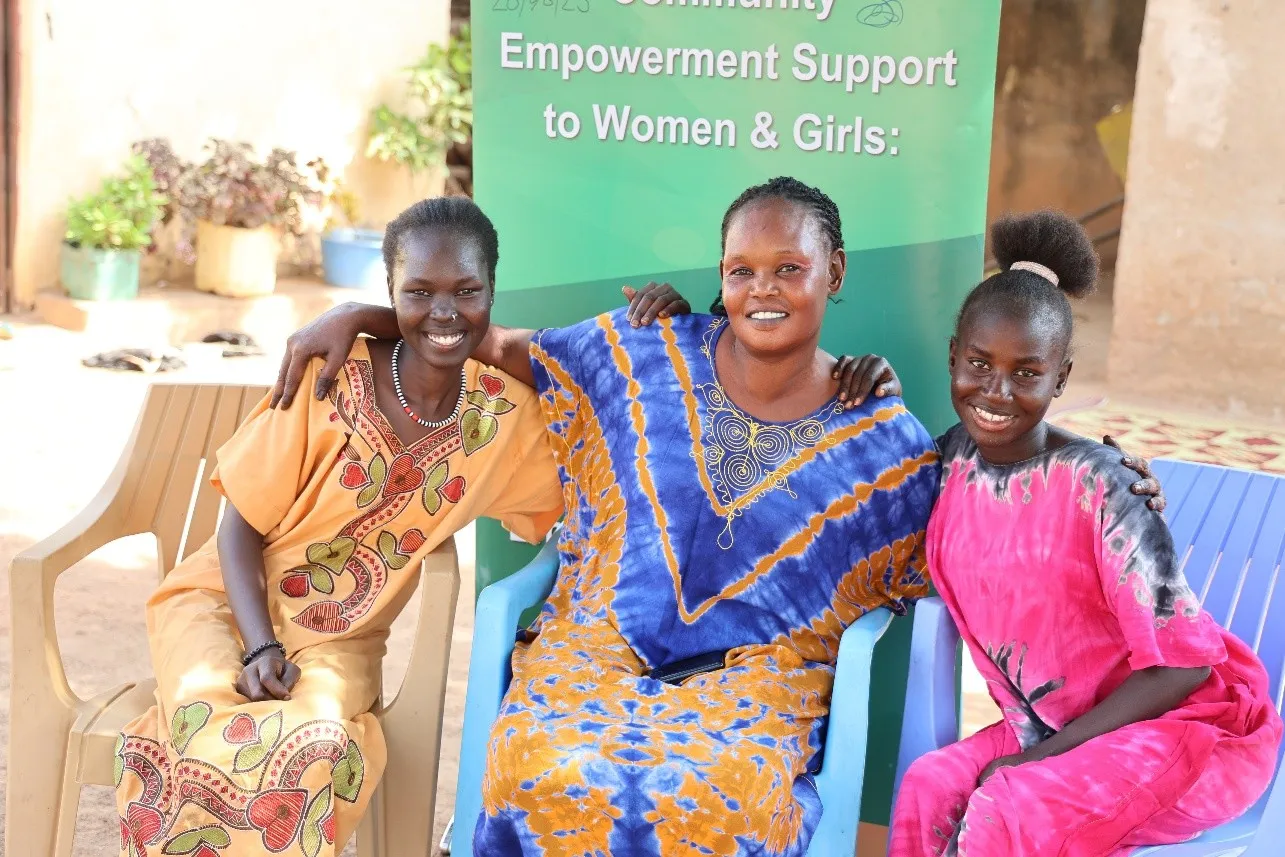
Together, these experiences demonstrate that when women gain financial skills, access to capital, and supportive community networks, they become drivers of household stability and community resilience. Through the SSWSEEP initiative, women in Wau are not only building livelihoods, but they are also building pathways to long-term economic empowerment.

Back to Top